Peptide suppliers became part of my daily vocabulary a few years into practicing veterinary medicine in Texas, right around the time I started collaborating with a diagnostic lab and a university research group on hormone and metabolic studies in large animals. I’m licensed, I still see patients every week, and I’m also the one who signs off on specialty orders that don’t come from a standard distributor. That dual role has given me a close-up view of how Peptide Suppliers actually operate once the sales pitch ends.
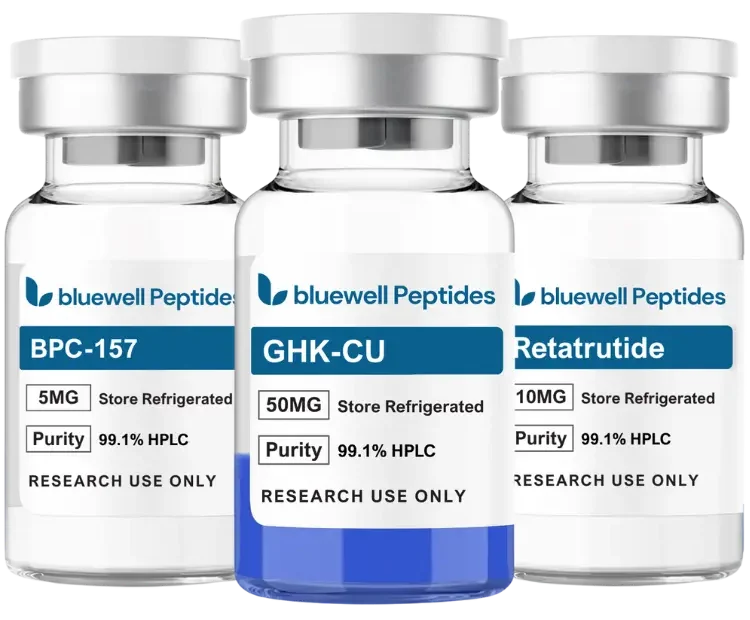 Early on, I treated peptides like any other specialized compound. I assumed that if a supplier worked with research institutions, the quality would be consistent. That assumption cost us time. One spring, we ordered a peptide used in a controlled endocrine study involving a small herd. The shipment arrived with documentation that looked thorough, but within days the lab flagged irregular assay behavior. Nothing dramatic failed outright; the data just wouldn’t line up. After a frustrating back-and-forth, we learned the batch had been synthesized overseas with minimal in-house verification. No fraud, just shortcuts. From that point on, I stopped accepting vague answers about sourcing and testing.
What I’ve found is that reliable peptide suppliers tend to speak like scientists, not marketers. One supplier I continue to work with earned my confidence during a phone call that lasted nearly half an hour. I’d asked about a stability concern related to transport during Texas summers. Instead of brushing it off, their technical contact walked me through how the peptide behaved at different temperatures and suggested a shipping adjustment that added a bit of cost but prevented degradation. That advice didn’t benefit them financially, but it protected our work. That kind of conversation only happens when a supplier actually understands what they’re selling.
A mistake I see colleagues make is assuming that paperwork equals accountability. Certificates of analysis are useful, but only if you know how to read them and if the supplier is willing to explain them. I once questioned a purity claim that seemed unusually high for a complex peptide. Rather than clarifying, the supplier sent a generic response and redirected the conversation toward placing the next order. We never did. In contrast, the suppliers I trust are comfortable acknowledging limitations and variability. In biological work, honesty about uncertainty is more valuable than inflated numbers.
There’s also a practical side that doesn’t get discussed much: responsiveness during problems. Veterinary timelines can be unforgiving. Animals don’t pause their physiology because a shipment is late. A couple of years ago, a delivery delay threatened to derail a study we’d already invested heavily in. The supplier contacted us before we even noticed the delay, explained the issue, and proposed a realistic new timeline. We adjusted protocols and avoided unnecessary stress on the animals involved. I’ve dealt with other suppliers who vanished under similar circumstances, leaving us scrambling to protect both data and animal welfare.
From my perspective, the biggest red flag is a supplier who treats every order as interchangeable. Peptides aren’t commodities in practice. The context matters: species differences, storage constraints, downstream use. Suppliers who ask how a peptide will be used aren’t being nosy; they’re protecting everyone involved. Those who don’t ask usually don’t care what happens after the invoice is paid.
After years of ordering, questioning, and occasionally pushing back, my professional opinion is clear. Good peptide suppliers behave like collaborators. They respect the fact that their product influences real outcomes, whether that’s research integrity or animal health. Cheap, fast, and silent might look appealing on a website, but in real-world veterinary and research settings, those qualities tend to surface later as delays, inconsistencies, or quietly compromised results.
Working with peptides has made me more selective than I expected to be early in my career. Experience does that. You learn which suppliers answer the phone when something goes wrong and which ones disappear. You learn whose data you can trust and whose claims deserve scrutiny. Over time, those lessons shape your standards, and you stop compromising them.