In a world filled with constant notifications, traffic sounds, and glowing screens, stepping outside can feel like entering a completely different rhythm of life. For many people, including outdoor enthusiasts like Stephen Gleave Ancaster, the outdoors offers more than just fresh air—it provides a space where the mind can slow down and the body can reconnect with natural patterns that have existed long before modern routines.
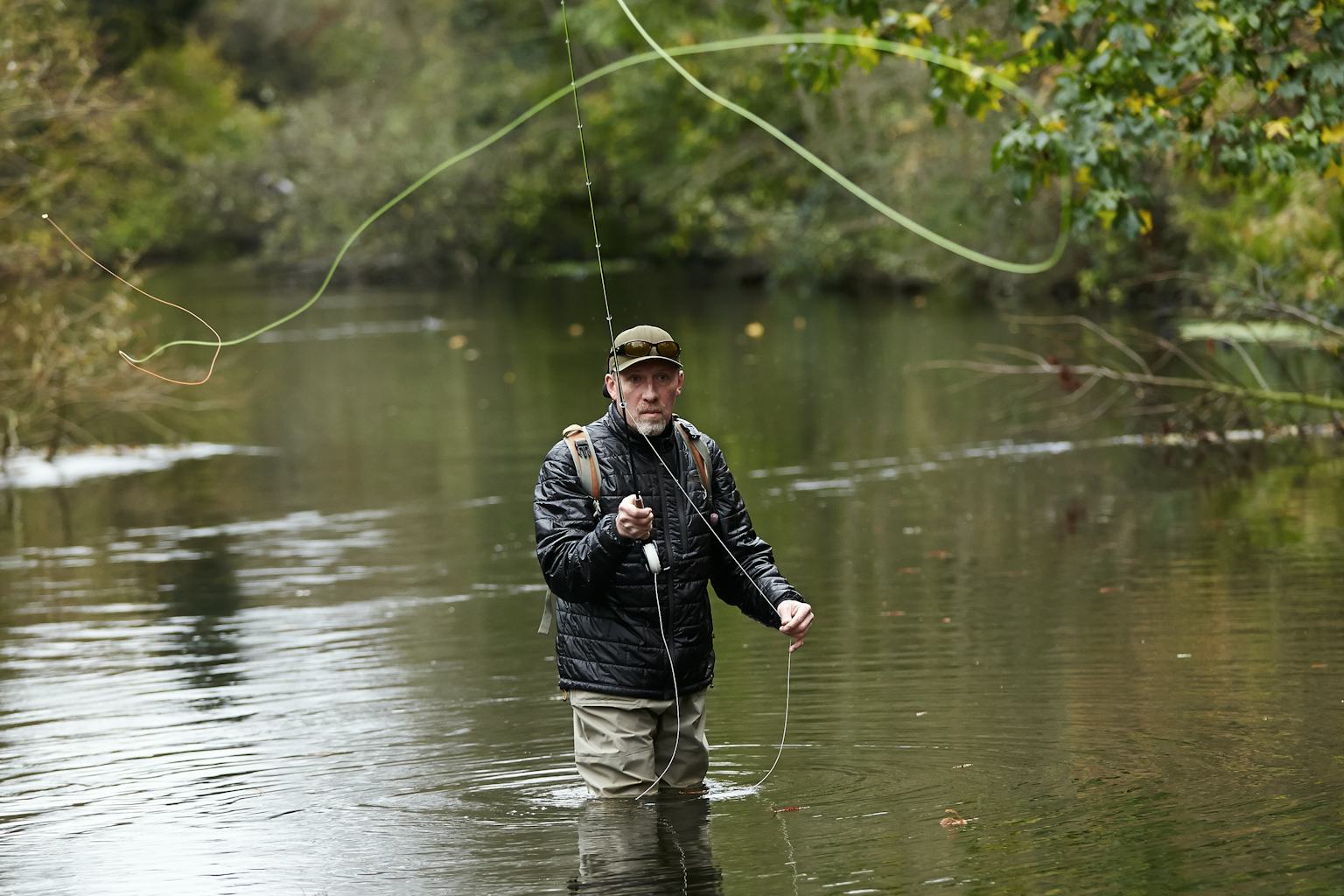
Spending time outside allows people to experience moments of quiet that are increasingly rare. Whether it’s standing near a flowing stream, walking through tall grass, or sitting under an open sky, nature encourages awareness. Simple actions like listening to birds or feeling the breeze against your skin help bring attention back to the present moment. This sense of presence is often what people seek through meditation or relaxation techniques, yet it naturally happens outdoors.
Outdoor activities also create a healthy balance between movement and rest. Gentle physical effort, such as walking along a trail or maintaining a small natural space, strengthens the body without overwhelming it. Unlike indoor workouts that can feel repetitive, outdoor movement changes with the environment. Each day feels different depending on the weather, light, and season, which keeps the experience engaging and rewarding.
Another powerful benefit of spending time outside is the emotional reset it provides. Stress tends to soften when surrounded by open landscapes and natural sounds. Studies have shown that time spent outdoors can lower anxiety and improve mood, but many people notice this effect without needing research to confirm it. A short break outside after a long day often feels more refreshing than hours spent indoors trying to unwind.
Nature also teaches patience and observation. Watching how plants grow, how insects move, or how water changes direction reminds us that not everything happens instantly. This slower pace can influence how we approach challenges in daily life, helping us become more thoughtful and less reactive.
Perhaps the most meaningful aspect of being outdoors is the sense of connection it creates. It reconnects people with the natural world and, in many cases, with themselves. Away from distractions, thoughts become clearer, creativity improves, and simple joys feel more noticeable. Even brief outdoor moments can have lasting effects on mental clarity and emotional balance.
Making time to step outside doesn’t require grand adventures. A quiet morning, an open field, or a peaceful shoreline can be enough. What matters is the willingness to pause, look around, and let nature do what it has always done—restore balance, one moment at a time.